
Her Holiness’ inspirational message for 2026
January 01, 2026
Tokyo, Japan / Calligraphy by Shinso Ito, Seal: Shinso
Warmest wishes to everyone in this New Year, which marks our sangha’s 90th year and the 120th anniversary of Master Shinjo’s birth. 2026 will be the Year of the Fire Horse in the East Asian zodiac. The element of fire, associated with the sun’s life-giving warmth, embodies the energy that shapes all things, while the horse represents fire at its zenith—vigorous, soaring, and a symbol of prosperity.
My father Master Shinjo was born in a fire-horse year, so this year will also mark the 120th anniversary of his birth. The end of a second 60-year astrological cycle since a person’s birth is a milestone that Japanese tradition honors with great reverence. To give voice to his hopes for the eternal future, Master Shinjo penned the following verse:
With the sacred ones, I have journeyed to shape this garden of shinnyo,1
aspiring to bring about boundless awakening for eternity.
So this year as we look forward to honoring Master Shinjo’s life with our own efforts, I hope we can work together to accomplish the following two endeavors: (1) to act for others’ well-being with loving care and (2) to anchor our faith in our place of spiritual refuge.
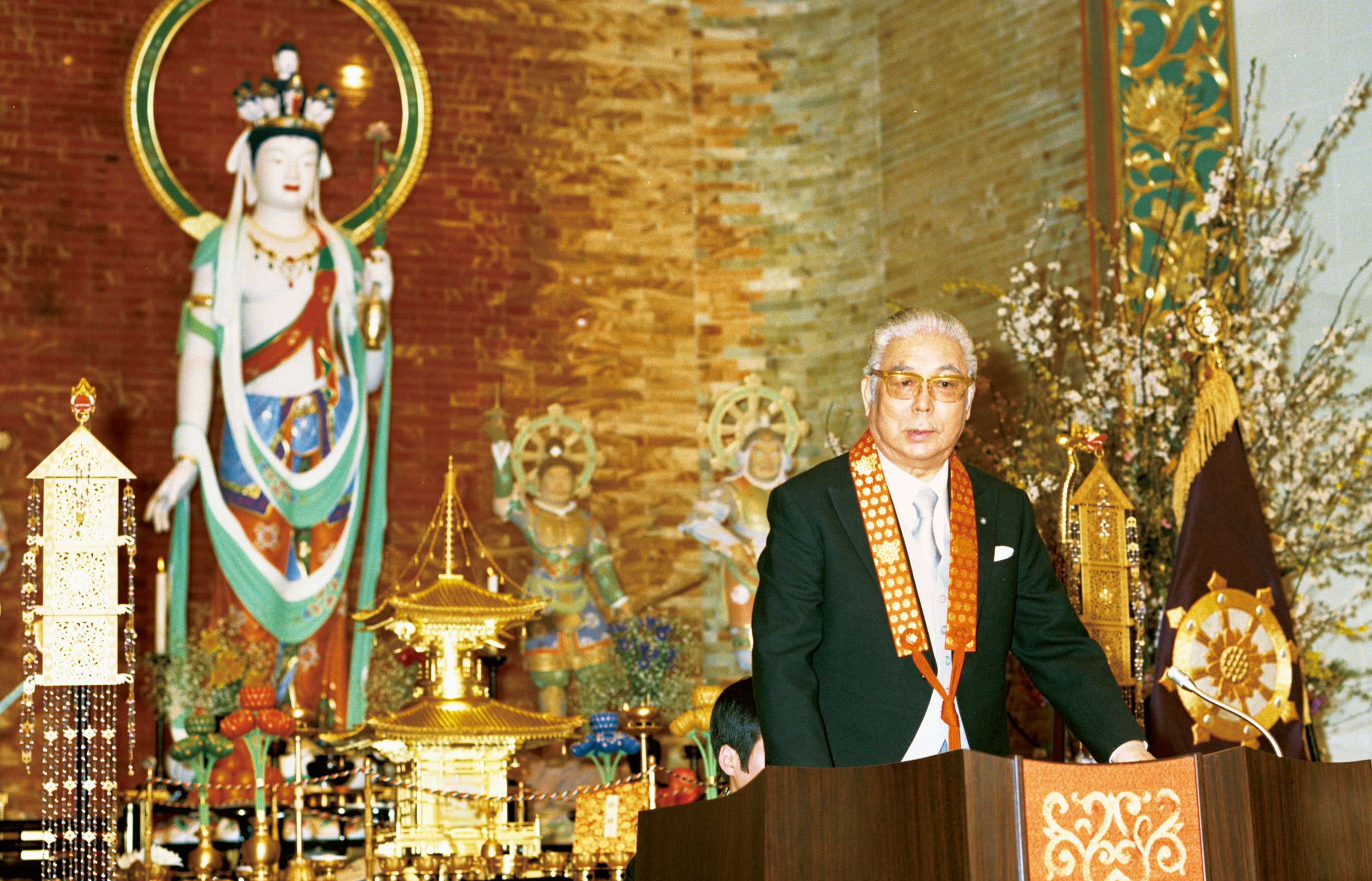
Today, our world faces unprecedented crises as conflicts, disasters, and the scourge of disease continue to threaten lives and undermine our safety. On a New Year’s Day in the early postwar years of Japan, my mother Master Tomoji perceived a vision of Eleven-Faced Bodhisattva Kannon and the message, “Kannon appears wherever needed to bring comfort and aid.” Hearing the cries of a world yearning for relief, she embodied the bodhisattva’s2 loving care in every aspect of her life, living out the Mahayana spirit of placing the needs of others before her own.
May we move from seeking our own benefit to acting for the well-being of others, and from division to unity—this was Master Shinjo’s enduring wish. Our charitable foundations were established with his vision as their guiding principle, and have continued to expand their contributions across the diverse fields of healthcare, education, social welfare, and culture. At the heart of these efforts lies the sacred bodhisattva aspiration of Shinjo and Tomoji—that all humanity, all life on earth, and the entire cosmos will attain spiritual liberation and awakening. We may bring this vision to reality through the small, steady steps we take each day. I invite us all to keep up our humble practices within society itself as our place of spiritual training.
“Faith” points to sincerity, free from falsehood or pretense. In our sangha’s early days, when our founding masters steadfastly pursued their spiritual calling despite their poverty, Master Shinjo’s mother, Yoshie, would bring vegetables from their hometown to support them. Hearing the sound of the ritual bell during daily chants at Shinchoji, she once said, “The tone is so beautiful. I can feel the sincerity of your faith, and it moves me to tears. I reckon even birds high in the sky would pause to rest their wings and listen for a spell.”
May we, as committed disciples, similarly become a grateful bell of awakening in our daily lives. May we embody the spirit expressed in the Mahaparinirvana Sutra, where it says, “Sentient beings shall take my dharma body3 as their place of refuge.” In reverence to what offers us spiritual refuge, may we entrust ourselves wholeheartedly in the Three Practices of guiding, giving, and sharing our time in service of others.
Since ancient times, horses have been indispensable for trade and agriculture, serving as trusted partners to humankind. In ceremonial rites, they were revered as vehicles for divine spirits, adorned with sacred paper streamers on their saddles, and led the way in formal processions. In this commemorative year honoring Master Shinjo—whose name means “true vehicle” that leads to shinnyo—may we carry our hopes upon this vehicle and proceed forward toward the joyous fulfillment of our sacred spiritual home.
1. A Japanese word that refers to the wisdom and loving compassion that pervades the universe and is also inherent within us. For more definitions like this, visit our FAQ and Glossary.
2. A Sanskrit word that refers to someone who walks the path of awakening not just for themselves but for the sake of all beings. For more definitions like this, visit our FAQ and Glossary.
3. The “dharma body” refers to the profound, personal understanding of the nature of things within an awakened being and the teachings through which that understanding is shared with others.
View more news and events
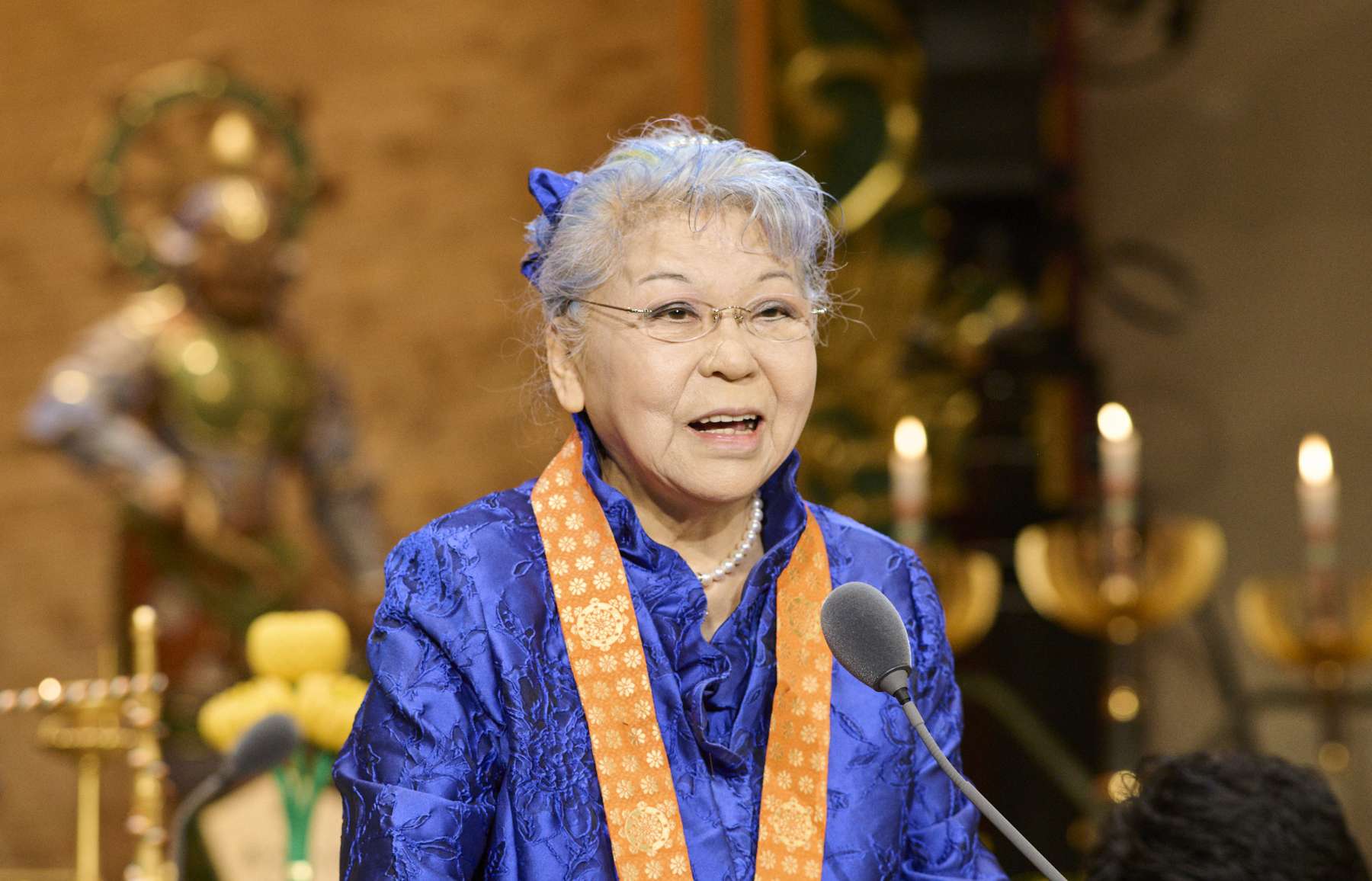
Shinnyo-en celebrates renovation of Temple II at Oyasono
Shinnyo-en members from around the world gathered for a ceremony to dedicate the newly renovated temple at Oyasono.
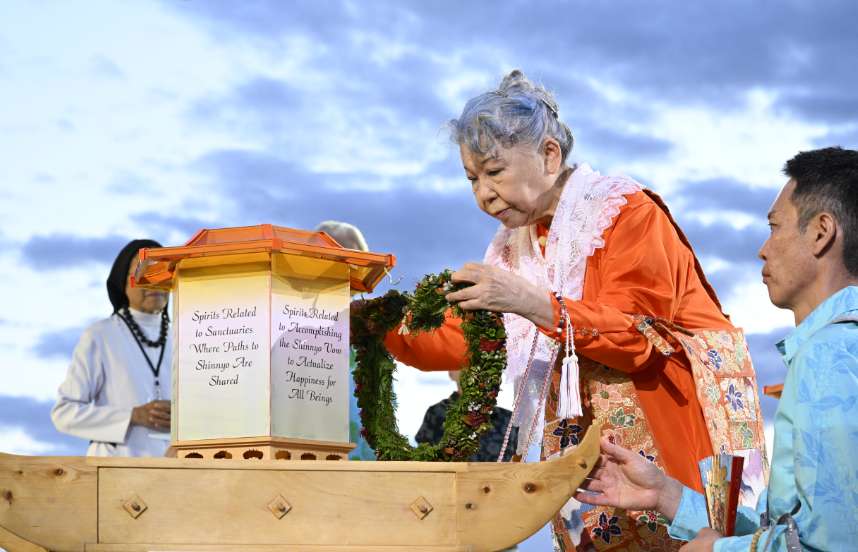
27th annual Shinnyo Lantern Floating Hawaiʻi held in Honolulu
Tens of thousands gather at Ala Moana Beach to participate in the 27th annual Memorial Day event organized by Shinnyo-en.

Shinnyo-en holds global saisho ceremony at its head temple
Her Holiness Shinso Ito conducts a global saisho ceremony at Shinnyo-en’s head temple, Oyasono.
A New Year’s Message from Her Holiness Shinso Ito for 2025
May we be inspired to renew our efforts at sincere acts, with the heartfelt prayer that the coming year brings great joy and happiness to all.

Shinnyo-en holds saisho ceremony at Daigoji on its 1150th anniversary
Her Holiness Shinso Ito conducted a saisho ceremony at the invitation of Daigoji temple to commemorate the 1150th anniversary of its founding.

A Shinnyo perspective on mindful parenting
Shinnyo priest Qalvy Grainzvolt joins fellow Buddhist teachers to integrate dharma practice into the work of parenting.

Shinnyo Lantern Floating Hawaiʻi observes 25th anniversary on Oʻahu
Tens of thousands gathered at Ala Moana Beach to participate in the 25th Anniversary Memorial Day event organized by Shinnyo‑en.
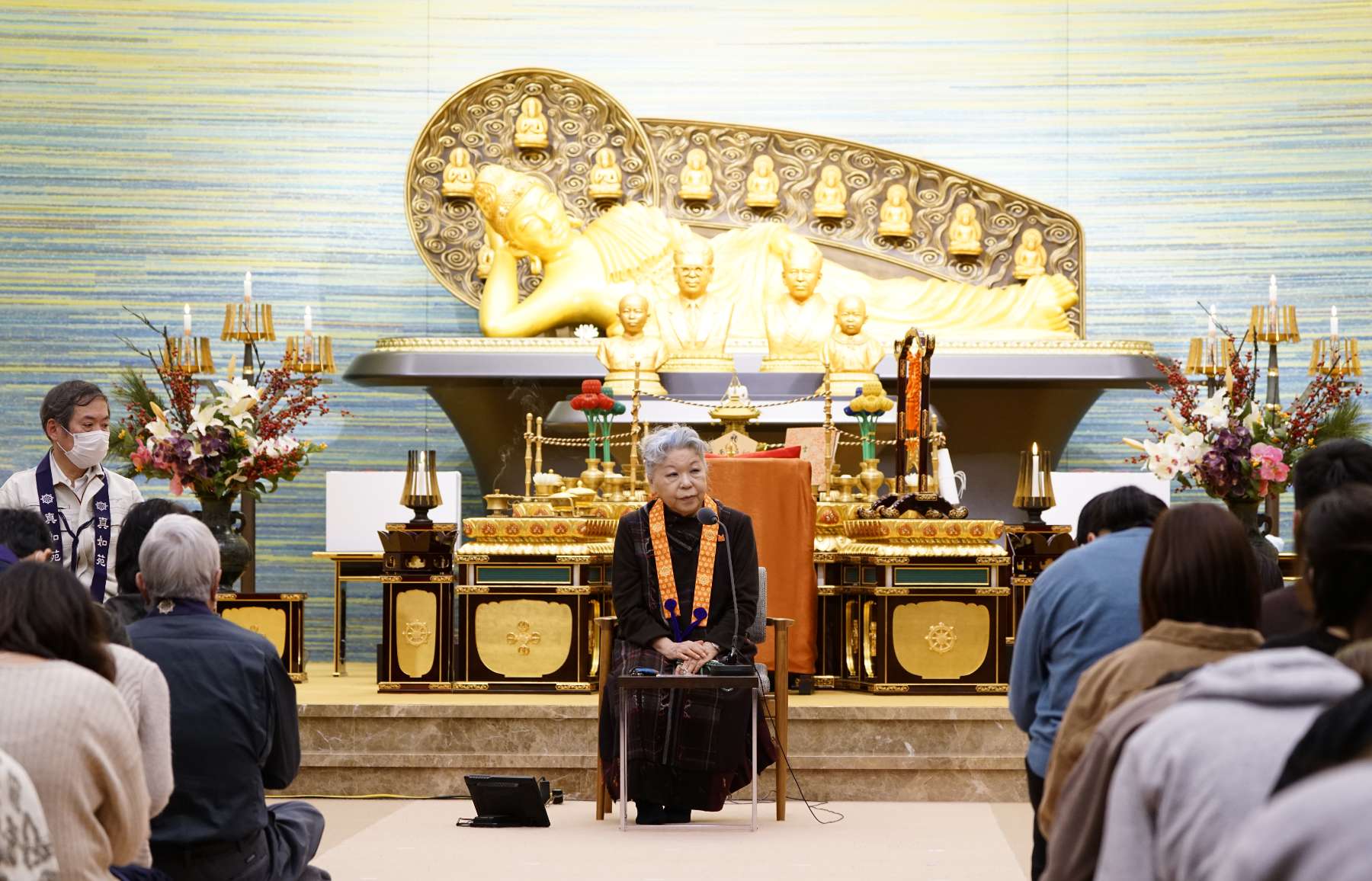
Her Holiness Shinso Ito speaks to the Shinnyo‑en community in earthquake-struck Ishikawa prefecture
Her Holiness Shinso Ito paid a special visit to Hokuriku Head Temple in Kanazawa in Ishikawa Prefecture to offer words of gratitude, admiration, and encouragement to the community following the January 1st earthquake. Her remarks to Shinnyo‑en leaders from regions affected by the earthquake and tsunami are shared below.
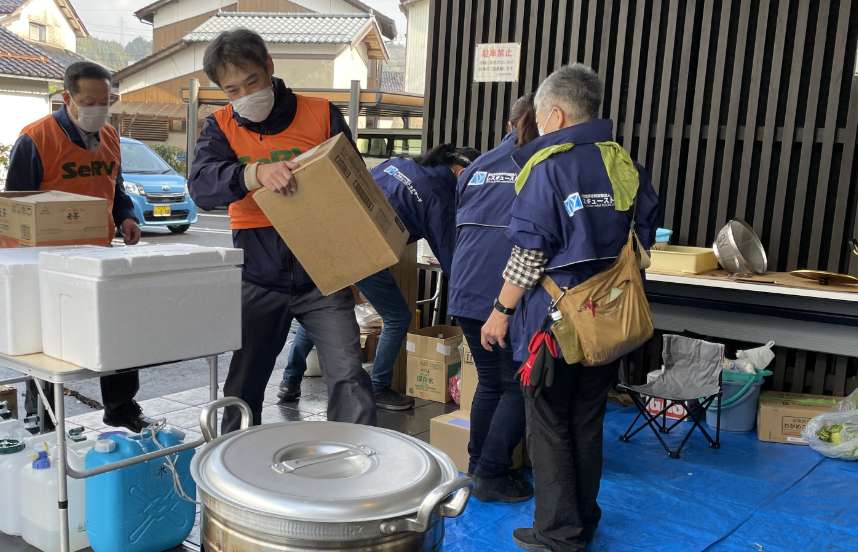
Shinnyo-en contributes to relief efforts for the 2024 Noto Peninsula earthquake
Shinnyo‑en has contributed monetary and volunteer resources in response to the January 1st earthquake that severely damaged buildings and displaced many in Ishikawa Prefecture.
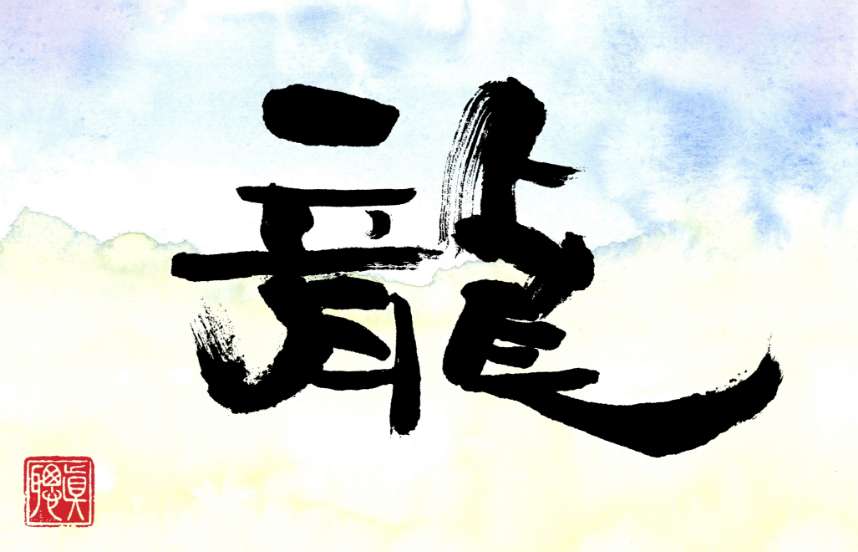
Her Holiness’ inspirational message for 2024
Her Holiness Shinso Ito offers spiritual guidance for the coming Year of the Dragon, 2024
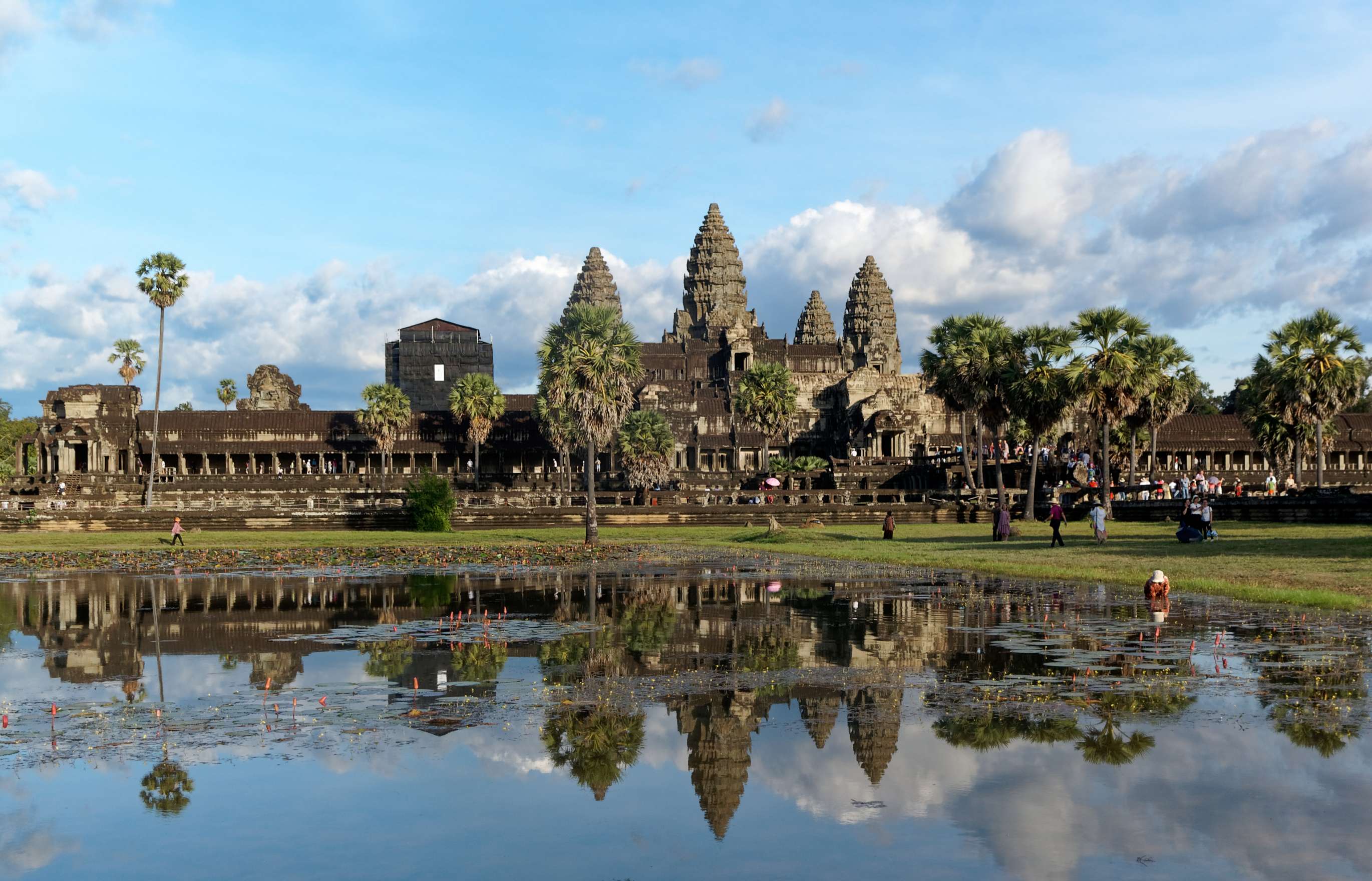
Shinnyo-en contributes to preservation of Angkor Wat, a UNESCO World Heritage Site
Representatives attended ceremonies to mark the completion of a restoration project at Angkor Wat, which Shinnyo‑en has supported since 1996.

Cultivating unwavering regard for others in the face of conflict
Her Holiness encourages the practice of positive regard for others in the face of conflict and urges us to practice it unconditionally.
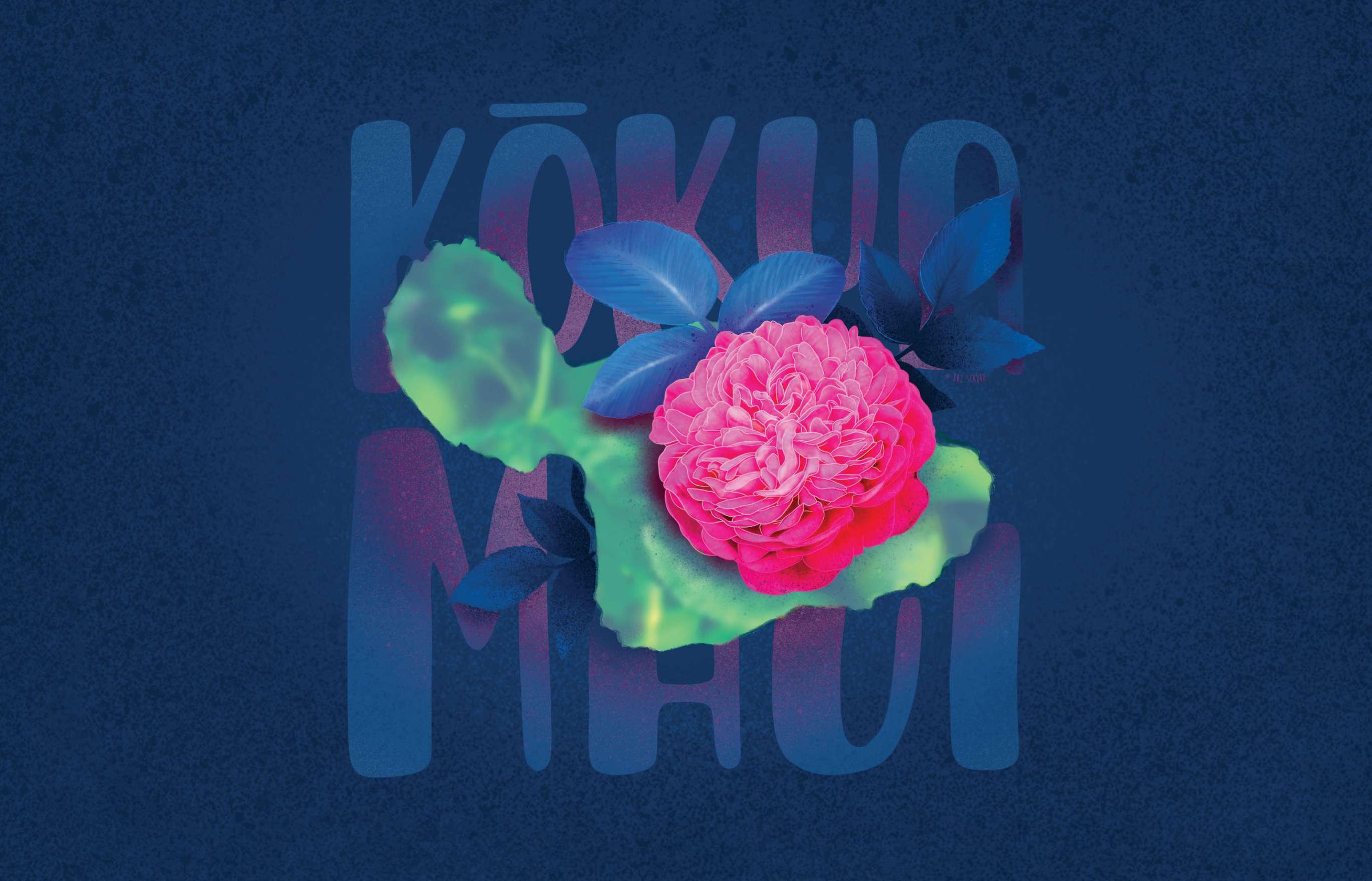
Shinnyo‑en and Nā Lei Aloha Foundation offer donation to Maui United Way
Shinnyo‑en and Nā Lei Aloha Foundation made a donation of US$100,000 to Maui United Way in response to the wildfires that devastated the community of Lahaina.
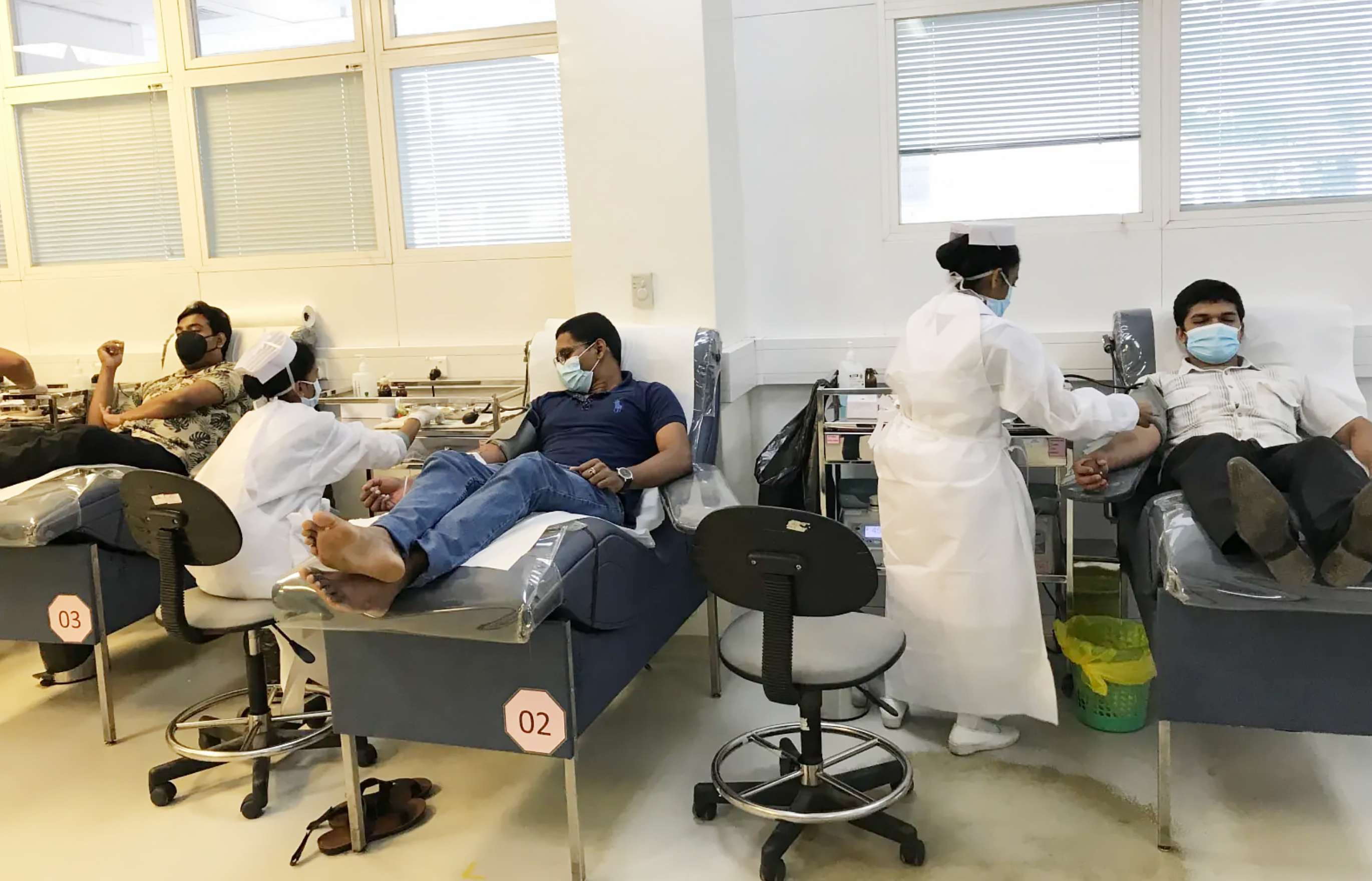
Shinnyo‑en Lanka Preschool hosts 32nd annual blood drive
A Sri Lankan preschool operated by Shinnyo‑en successfully organized their 32nd annual blood donation campaign.
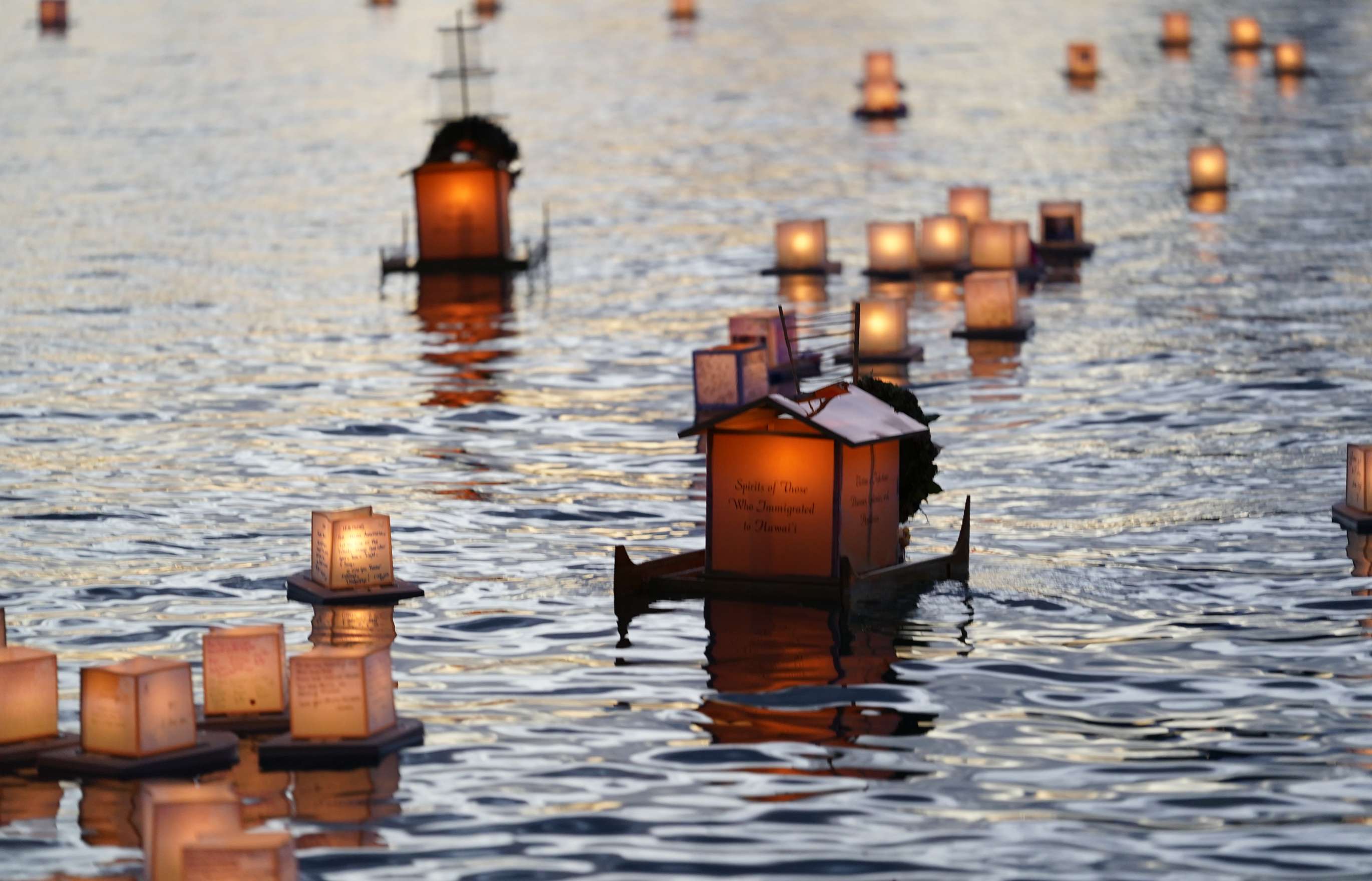
Shinnyo Lantern Floating Hawaiʻi returned to Ala Moana Beach for its 25th year
Tens of thousands gathered at Ala Moana Beach to participate in the 25th annual Memorial Day event organized by Shinnyo‑en.
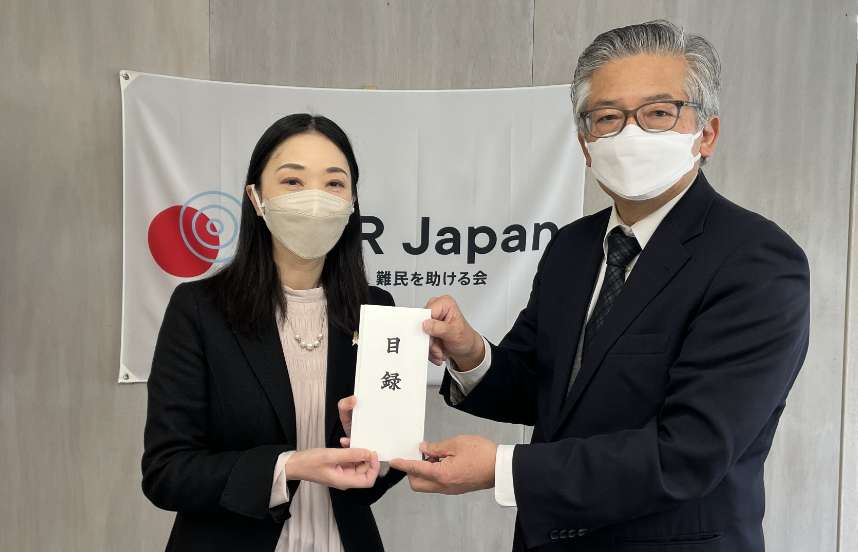
Donation of 20 million yen toward emergency earthquake relief in Turkey
In response to the devastating earthquake that hit Turkey and Syria, the Shinnyo‑en community offers significant monetary donations toward relief efforts.

Shinnyo Lantern Floating Hawai‘i 2022 offers “space to heal”
For a third year, a limited Shinnyo Lantern Floating is held due to COVID pandemic; Her Holiness addresses attendees live from Tokyo.
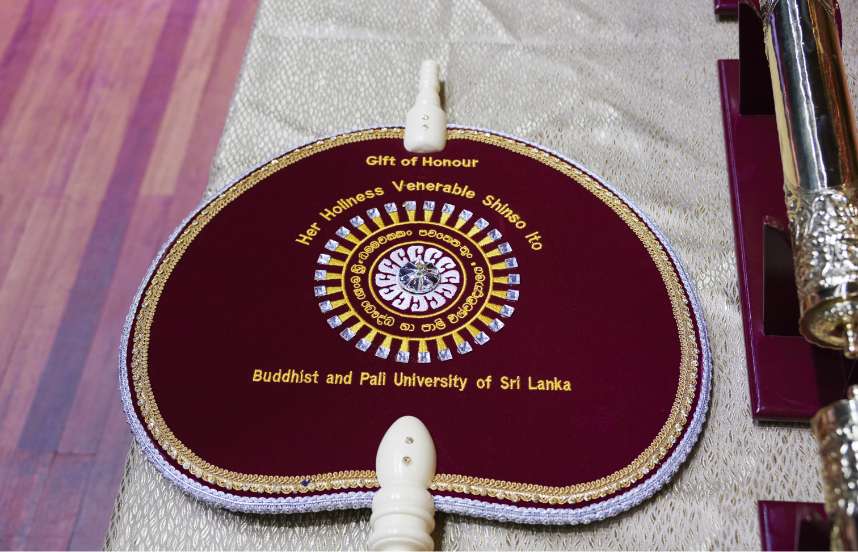
Prestigious Sri Lankan university awards honorary doctorate to Her Holiness
Buddhist and Pali University of Sri Lanka recognizes Her Holiness’ lifelong commitment to educating underserved children with honorary PhD.
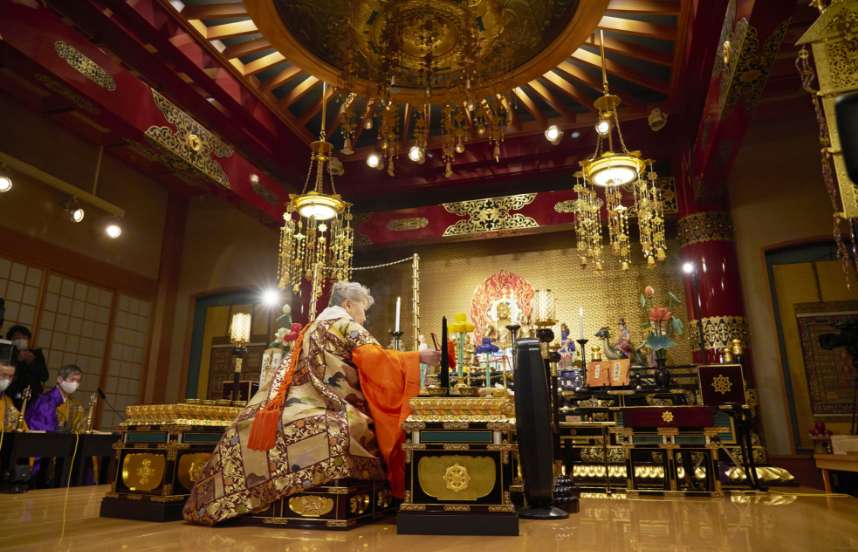
Her Holiness Shinso Ito conducts rites for peace in Ukraine crisis
Her Holiness publicly states her wish that the conflict in Ukraine will swiftly end and Shinnyo‑en makes a substantial offering for humanitarian aid.
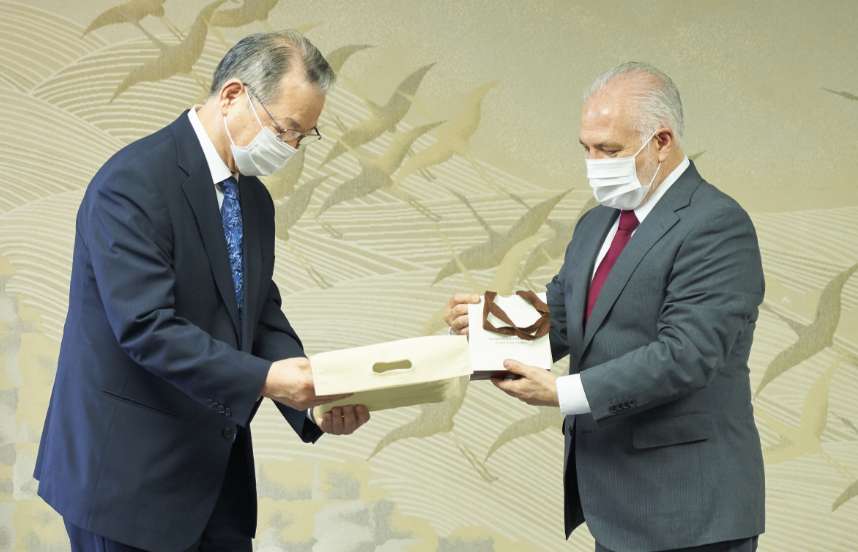
Shinnyo‑en joins global COVID-19 response
Shinnyo‑en has made substantial donations to the UN, to Ecuador, and to community service programs in Hawaii in response to the COVID outbreak.
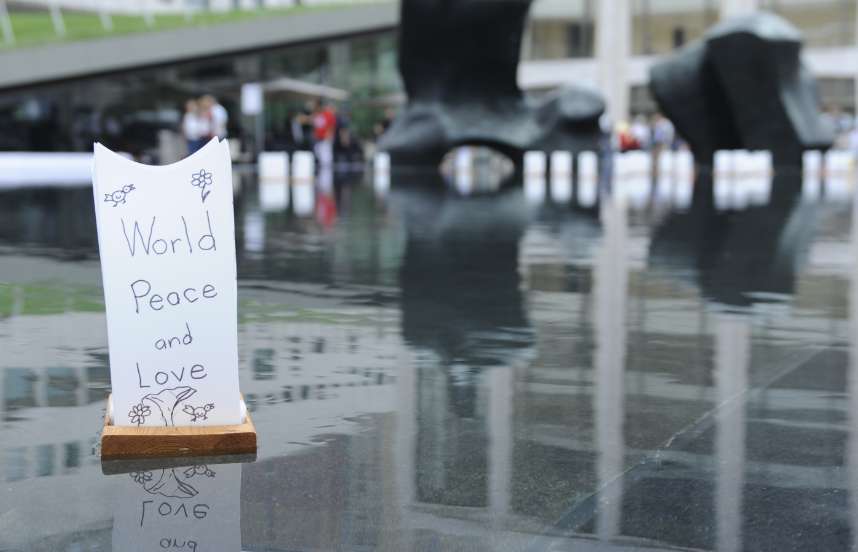
Our human challenge
In the wake of protests following the murder of George Floyd, Shinnyo‑en issues a statement regarding racism and the harm it brings to society.
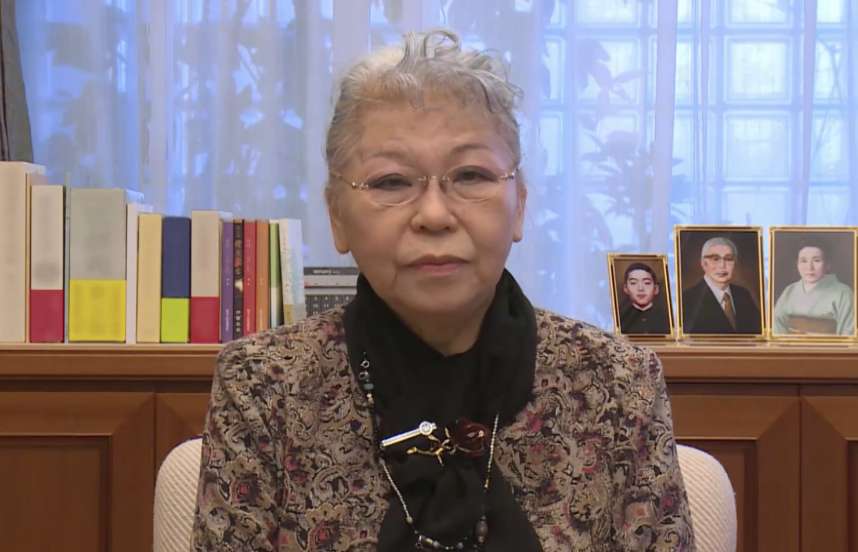
Head of Shinnyo-en shares message in response to novel coronavirus outbreak
Her Holiness Shinso Ito offers words of encouragement and advice for spiritual practice in response to the Coronavirus outbreak.
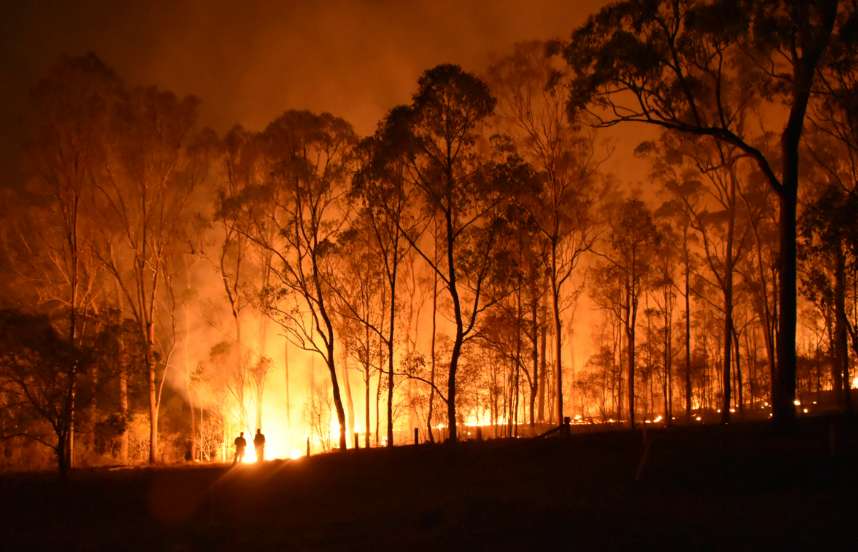
Shinnyo‑en offers donations to Australian bushfire relief efforts
Shinnyo‑en has joined other international organizations to offer funds to agencies responding to continent-wide bushfires.
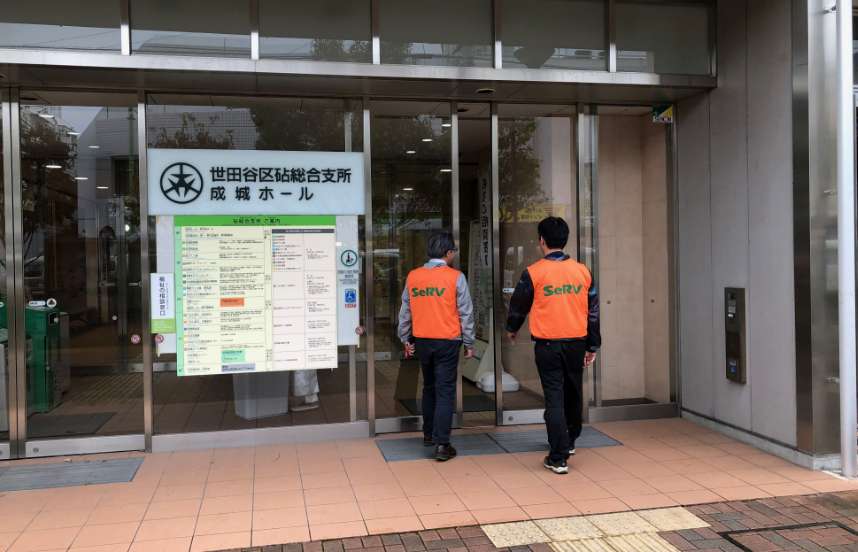
Shinnyo‑en supports recovery efforts after Typhoon Hagibis
Shinnyo‑en joins efforts following the largest and strongest typhoon in the history of meteorological records in the country.
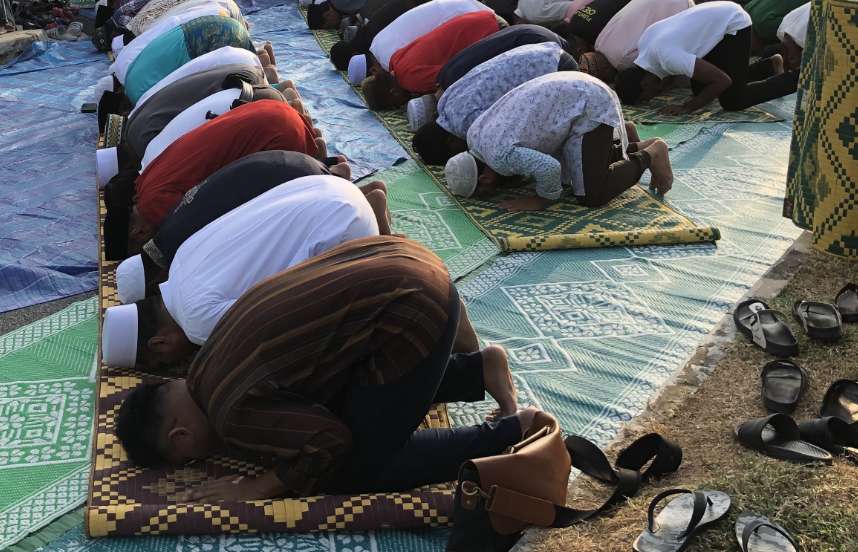
Volunteers in Singapore help Muslim neighbors during prayer gathering
Members of Shinnyo‑en Singapore helped their neighbors, a Muslim mosque, manage traffic during a busy Eid celebration.